A Confession of a Sinner, A Song of Grace: Amazing Grace

1. Grace That Changed a Life
We sing “Amazing Grace” so often that it can start to feel familiar, almost too familiar. But this hymn is far more than just a beautiful melody. It is the story of a life completely turned around, a testimony of grace experienced in a deeply personal way.
The man who wrote these words was John Newton (1725 to 1807), an English pastor. But his life did not begin with faith. In fact, it was quite the opposite. As a young man, he lived recklessly at sea and became deeply involved in the transatlantic slave trade. He was part of a system that took away the dignity and freedom of countless people.
Everything began to change in 1748. During a violent storm at sea, Newton found himself facing death. In that desperate moment, he cried out to God. It was not a formal prayer, just a cry for help. But something shifted. That moment did not instantly transform him, but it opened the door. It was the beginning of a new direction.
Over time, Newton began to face his past honestly. He came to understand the weight of what he had been part of, especially his involvement in the slave trade. This led him into deep repentance. Eventually, he walked away from that life and even became someone who spoke against the very system he once supported.

2. The Confession of “A Wretch Like Me”
Newton later became a pastor and spent his life sharing the grace he had come to know. His words carried weight, not because they were perfect, but because they were real.
In 1772, he wrote the poem that would later become the lyrics of “Amazing Grace.”
“Amazing grace, how sweet the sound, that saved a wretch like me.”
This line was not meant to sound dramatic. It was simply honest. Newton knew who he had been. He understood that nothing in him could earn what he had received. It was grace, nothing more and nothing less.
But what makes this hymn so powerful is that the story did not end with him.
Over time, “Amazing Grace” became deeply connected with people who were suffering, especially those who lived through slavery, racial injustice, and discrimination. For them, the word “grace” was not just an idea. It was something they held onto.
In a world that had taken so much from them, this song reminded them that God still saw them, still knew them, and had not forgotten them. It carried a quiet but powerful hope.
In that sense, “Amazing Grace” is no longer just one man’s confession.
It became the song of the oppressed,
a voice for the overlooked,
and a source of comfort for those who had every reason to feel forgotten.
3. A Song Shaped by Time
There is another interesting part of this story. The melody we sing today was not written by John Newton. He wrote only the words.
The tune we now know, called “New Britain,” came later. It grew out of a nineteenth century American folk tradition, and no one knows exactly who composed it. It was first published in a hymnal in 1835, and from there, it began to spread.
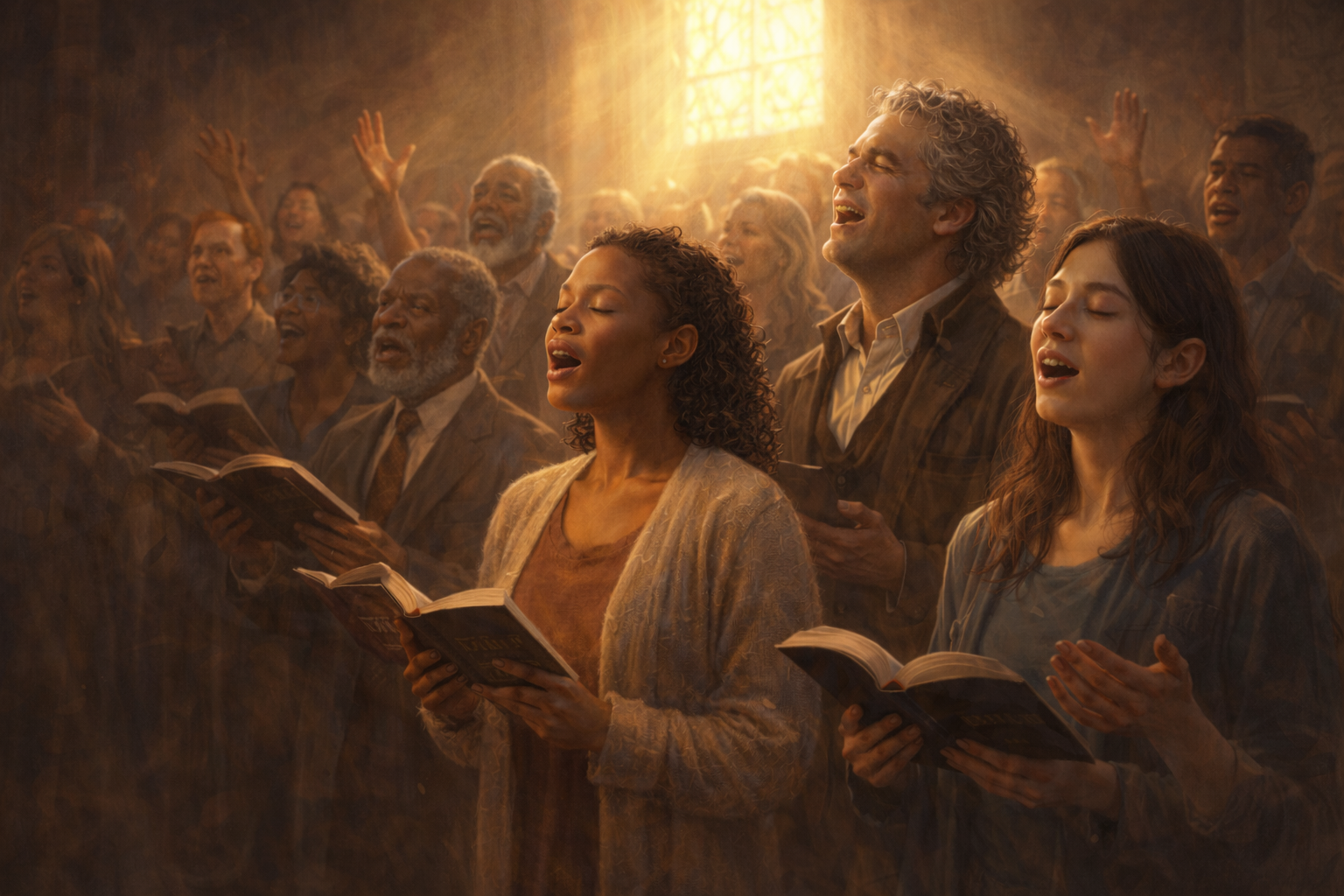
As the song spread, it became part of people’s lives, especially among communities that had experienced hardship and injustice. Their voices, their emotions, their struggles, and their hope became part of the song itself.
So “Amazing Grace” was not created all at once. It was formed over time.
The words came from England.
The melody took shape in America.
And along the way, many lives gave it depth and meaning.

Conclusion
Today, we sing this hymn so easily. But once you begin to understand the story behind it, it begins to sound different.
This is more than a hymn. It is a living testimony. It began with one man’s repentance, but it has carried the voices of many, especially those who have suffered and endured.
And maybe that is why it still speaks to us.
Because even now, it gently asks:
Do I really understand this grace?
And is this grace only for me, or is it meant for others as well?
That question may be the very reason this song continues to live on.