Can You Love God and Still Feel Broken? (Heal Your Hurting Mind by Craig Groeschel)
Thoughts on Heal Your Hurting MindWhen Faith Isn’t Enough to Stop the Pain
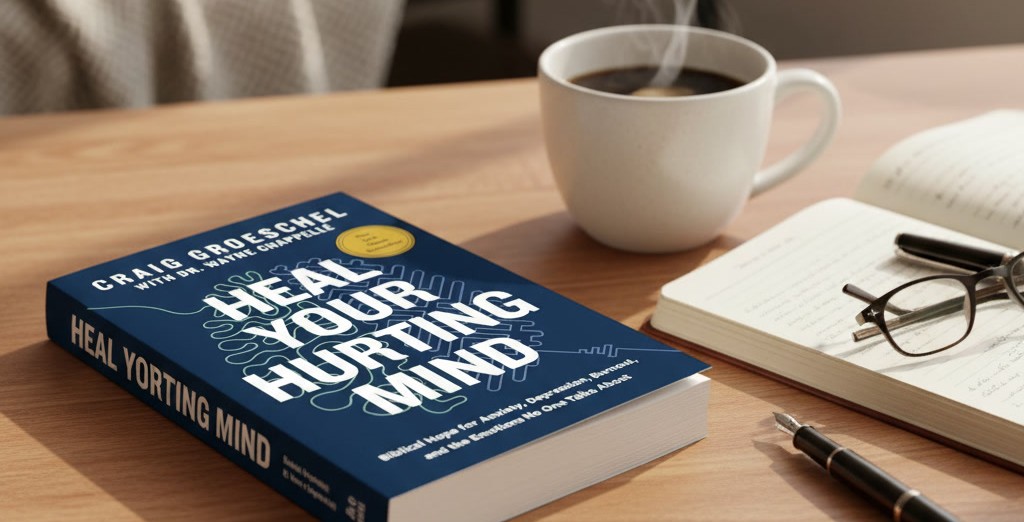
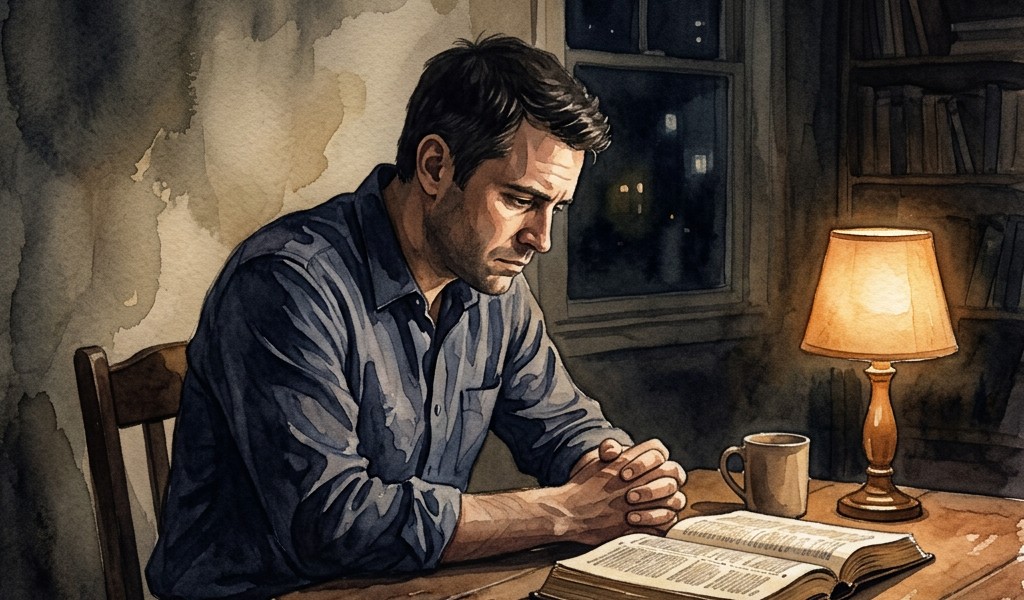
We usually turn to Christian books for a quick dose of encouragement—something light, uplifting, and safe. But Heal Your Hurting Mind hits differently. It’s not interested in giving you a pat on the back; it’s interested in being honest.
The book starts with a reality we don’t talk about enough:
“Even pastors fall apart.”
Craig Groeschel isn’t speaking theoretically here. He’s sharing his own story of standing on stage, speaking hope to thousands, and then going home to a world that felt completely dark. It’s a jarring image—a leader who has all the "right" answers but can’t find the strength to pray. It’s an honesty that feels less like a sermon and more like a confession.
The Question We Keep Behind Closed Doors
Most of us have the "Christian script" memorized: Trust God. Pray more. Let go and let God. We’ve said these things to others, and we’ve tried to believe them ourselves.
But what happens when you’ve done all that, and the anxiety still won’t leave? What if you’re doing everything “right,” but you’re still emotionally empty? Groeschel asks the one question we’re usually too ashamed to say out loud:
“Aren’t Christians supposed to be okay?”
The truth is, many of us have been taught that strong faith acts as a shield against emotional pain. So when we struggle, we don’t just feel the pain—we feel the guilt. We feel like we’re failing God by simply being human.
A Shift in Perspective
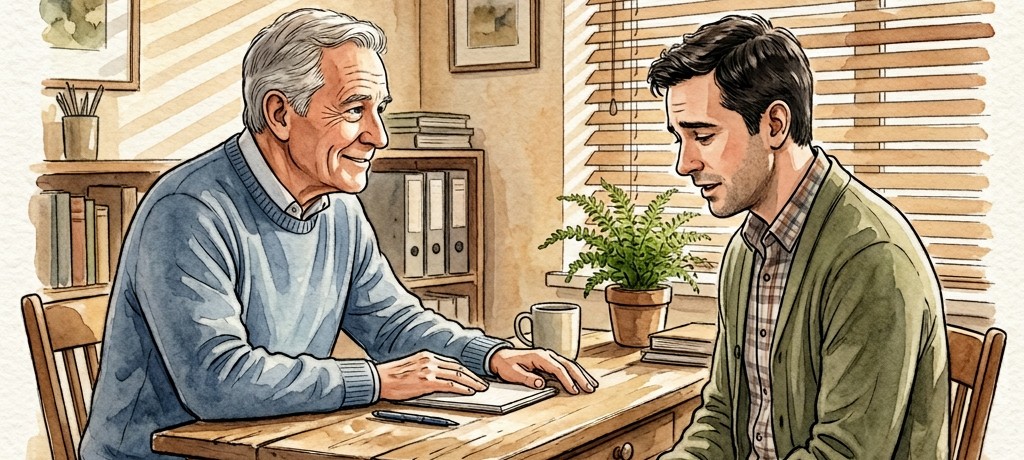
The turning point in this book isn’t a sudden miracle; it’s a conversation. Groeschel sits down with Dr. Wayne Chappelle, a clinical psychologist who works with high-pressure professionals.
Instead of offering a theological correction, Chappelle asks a simple, grounding question: “What’s really going on?” That shift is vital. It reminds us that our brains were designed to process stress and grief. Feeling emotional pain isn't a sign of a spiritual defect; it’s a biological reality. That realization alone brings a massive sense of relief. It doesn't replace faith; it makes faith more compassionate.
Healing Isn’t Always Instant
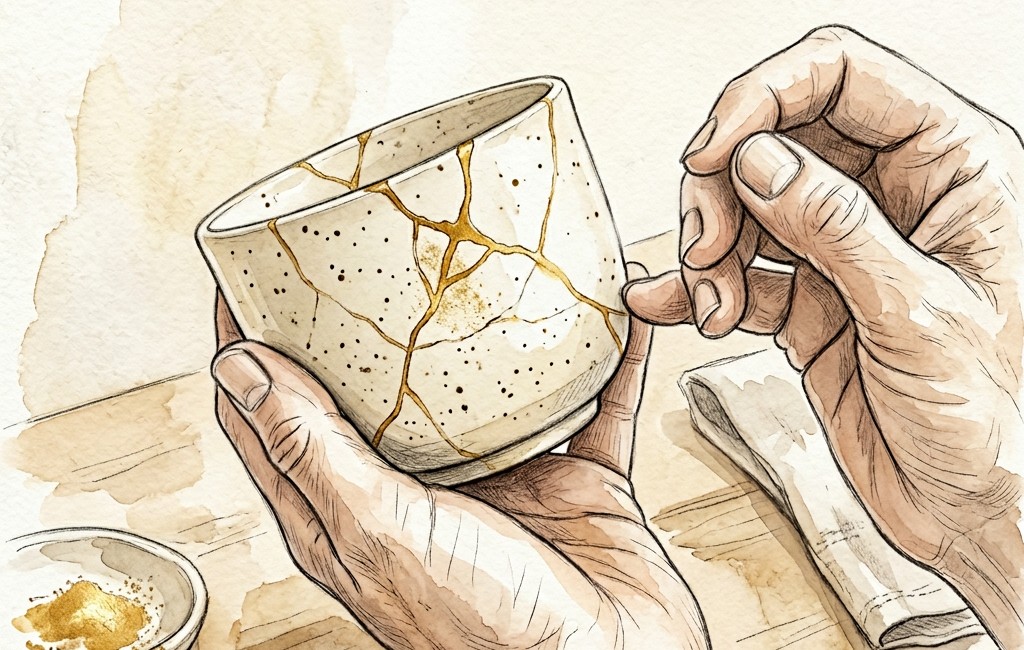
We often talk about healing as an instant event—a prayer is answered, and the peace arrives. But this book gently pushes back on that.
Healing is often a slow, messy process of binding wounds. Sometimes God works through a moment of prayer, but often He works through counseling, the discipline of rest, and the courage to tell the truth. Psalm 147:3 says He “binds up their wounds,” and binding takes time. He doesn't wait for us to be "fine" to meet us; He meets us in the middle of the struggle.
Why This Matters Right Now

You don’t have to be a pastor to feel the weight of these pages. Whether it’s an exhaustion that sleep can't fix, or that quiet anxiety that creeps in on Sunday nights, this book gives a name to what many of us are carrying in secret.
It doesn't shame the struggle. It normalizes it.
The Bottom Line
True spiritual maturity isn't about having it all together; it's about being honest when we don't. Heal Your Hurting Mind is a necessary bridge between our mental health and our faith.
If you’ve ever felt like your mind is tired even when your beliefs are strong, this book is for you. It’s a reminder that you don’t have to stay stuck, and you certainly don’t have to walk through it alone.
👉 You can check out the book here if you’d like (affiliate link).

📚 You Might Also Like
The Secret to Stopping the 3 A.M. Anxiety Loop-Anxious for Nothing
When Your Darkest Emotions Are Actually a Prayer- The Cry of the Soul