The Cry of the Soul Review — When Your Darkest Emotions Are Actually a Prayer
You sat in the church parking lot after the service, unable to go back inside. Not because you were angry. Just because something in you had gone quiet in a way you couldn't explain.
When Feelings We're Taught to Suppress Turn Out to Be the Most Honest Thing About Us
You've been told, in ways both direct and subtle, that certain emotions don't belong in the Christian life. Anger at God feels like rebellion. Despair feels like weak faith. Jealousy feels like something to confess and move past quickly. So you manage them. You journal them away, pray them down, push them beneath the surface — and smile at the door on Sunday morning. But the quiet that's left behind doesn't feel like peace. It feels like distance. And somewhere underneath, you wonder if the biblical view of emotions was ever as tidy as the version you were handed.
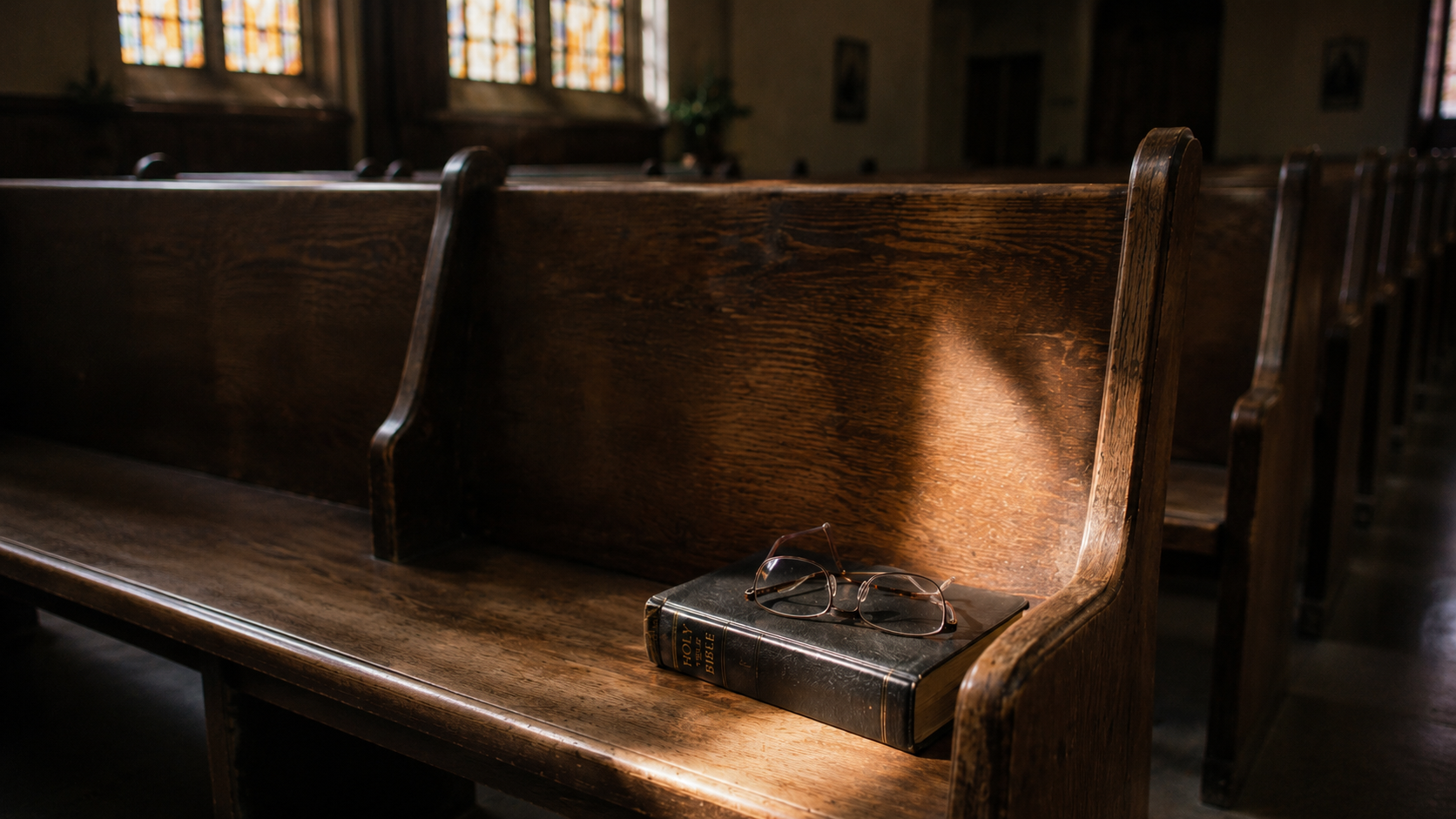 A quiet Sunday afternoon in an empty church where Christian emotional health feels harder to practice than to preach.
The Psalms Were Never As Polished As We Pretend They Are
Dan Allender spent years as a counselor sitting with people in their worst moments. Not crisis moments — the other kind. The slow, grinding kind where nothing dramatic has happened, but something essential has gone missing.
He built his career at the intersection of trauma, abuse, and emotional healing — first as a therapist, then as a professor and founder of The Seattle School of Theology and Psychology. He had sat with survivors of deep wounds long enough to know that the Christian platitudes offered to suffering people often did more harm than good. Not because they were wrong, exactly. But because they arrived too fast, before the pain had been allowed to speak.
He noticed something in those sessions: the people who struggled most weren't the ones who felt too much. They were the ones who had learned to feel nothing at all.
He kept coming back to the Psalms. Not the triumphant ones that get printed on coffee mugs. The ones full of lament — and lament in the Bible, he began to see, was never a sign of failing faith. The ones where the writer accuses God of forgetting him. The ones full of envy at the wicked, raw fear, the kind of loneliness that sounds almost like fury.
What Allender saw — slowly, over years of practice and prayer — was that these emotions weren't spiritual failures. They were a form of address. The Psalmist wasn't losing faith when he cried out My God, my God, why have you forsaken me? He was still talking to God. Talking to someone you're furious at is still relationship. Silence is what ends things.
Allender began to wonder: what if the emotions we are most ashamed of are actually the most accurate signals we have about what we believe — and what we doubt — about God?
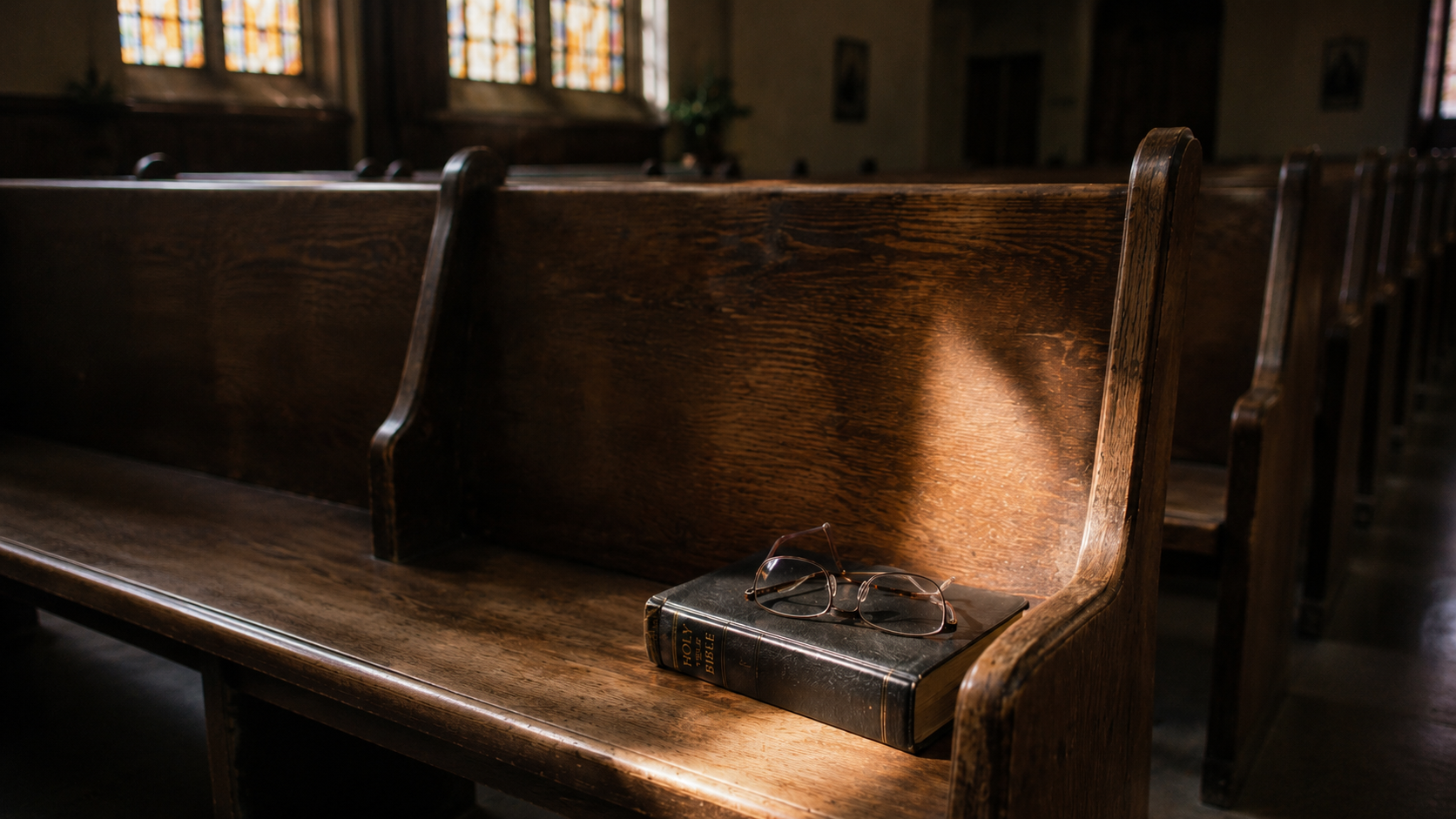 A well-worn Bible open to the Psalms, where honest emotions in the Psalms turn out to be the most direct path to God.
What Your Anger Might Actually Be Saying
The central reframe of this book is quiet but it lands hard: emotional honesty before God is not the opposite of faith — it might be the only path into it. Allender and Longman write that the soul's cry is always directed somewhere, and the direction it chooses reveals what we truly believe about whether God is good, whether he is present, whether he can be trusted with the parts of us we find most embarrassing.
The question it left me sitting with: What emotion have I been managing instead of bringing?
I read this book during a season when I had stopped expecting anything from prayer. Not dramatically — just quietly. And I didn't even know it until I read it.
📦 BOOK OVERVIEW BOX
The Cry of the Soul is structured around specific emotions — envy, despair, anger, fear, shame, and contempt — with each chapter moving between clinical observation, scriptural depth, and lived pastoral experience. It doesn't read like a textbook. It reads like someone sitting across from you who has seen a lot of human pain and isn't afraid of yours.
What it keeps returning to is the idea that emotion is theological. The way you feel — especially the feelings you hide — tells a story about what you actually believe about God, not just what you profess. Allender and Longman argue that suppressing these emotions doesn't make us more spiritual; it just makes us less honest. And it's dishonesty, not darkness, that keeps us distant from God. Negative emotions and faith aren't opposites. They turn out to be deeply, uncomfortably connected.
Allender draws from decades of counseling practice, the Hebrew poetry of the Psalms, and writers like Eugene Peterson who understood that biblical faith was never meant to be tidy. Tremper Longman brings rigorous Old Testament scholarship that keeps the Psalms from becoming mere metaphor — these were real people, crying out in real anguish, and God included every word of it in Scripture on purpose.
People who have been given the standard Christian response to suffering — pray more, trust more, feel less — and found it left them lonelier than before tend to find this at exactly the right time. When anger at God feels too dangerous to admit out loud. When you've been performing okayness for so long you've almost forgotten what you were originally upset about.
Learning to Let Your Soul Speak
If anything has changed since I read this, it's that I've become slightly less afraid of my own bad feelings. Not comfortable with them — just less quick to apologize for them before God even gets to respond.
If you're in a season where prayer feels like talking to a wall, this might be worth sitting with: The Cry of the Soul by Dan Allender and Tremper Longman III.
It's the kind of book worth having somewhere you can find it again — find it here.
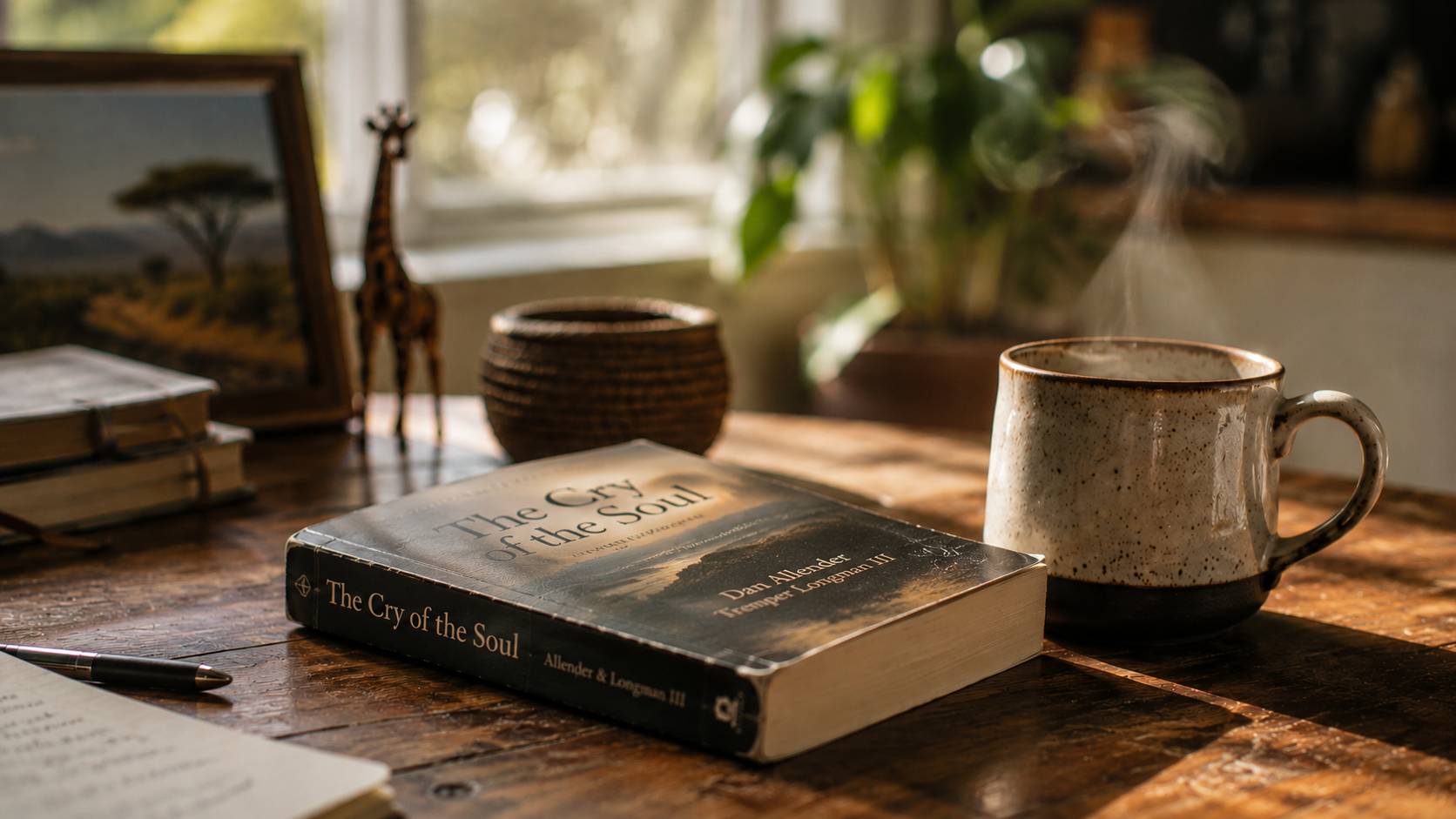 The kind of reading that gets interrupted because something on the page needed time to settle.
FAQ
What does the Bible say about negative emotions like anger and despair?
More than most of us were taught in Sunday school. The biblical view of emotions — at least in the Psalms — holds some of the most raw expressions of anger, fear, and grief in all of ancient literature, and they're Scripture. I used to read past those verses quickly, as if they were embarrassing. I don't anymore. What the Bible seems to say is that bringing your darkness to God is not the opposite of faith. It might actually be what faith looks like when it's being tested.
Is it okay to be angry at God as a Christian?
This is the question I was afraid to ask for a long time, because I worried the answer would make me feel worse. What I've come to believe — and what The Cry of the Soul helped me articulate — is that anger directed at God is still directed at God. You're still in conversation. The Psalmists practiced lament in the Bible regularly, and the text doesn't treat that as apostasy. It treats it as honesty. What seems to grieve God more is indifference — the quiet exit, the polite distance.
How do emotions connect to spiritual growth?
I used to think spiritual maturity meant feeling less — less reactive, less afraid, less needy. What I've found is almost the opposite. Growth seems to involve feeling more accurately, not less intensely. When I started to pay attention to what my fear or my envy was actually pointing to — what I believed or doubted about God — it opened up conversations with him that I hadn't known I was avoiding. That connection between Christian emotional health and actual spiritual growth is something I keep returning to.
Why do I feel spiritually numb even when I'm doing all the right things?
That numbness was my experience for a season, and I didn't have language for it until I started thinking about it the way Allender does. Prayer during spiritual dryness can feel pointless, even performative — like you're going through motions that used to mean something. What I've come to understand is that numbness is often what happens when we've spent too long managing our darker feelings instead of bringing them. The goal was never to feel less. It was to learn what our feelings are saying, and then take that honestly to God
📚You Might Also Like
Can You Love God and Still Feel Broken? — Heal Your Hurting Mind
The Secret to Stopping the 3 A.M. Anxiety Loop — Anxious for Nothing