Edvard Grieg’s Notturno: When the Past Returns
The past is not simply something we leave behind. Long after an event has ended, our memories and experiences can return to us, carrying meanings we could not see the first time around.

Music can bring those memories back in unexpected ways. A melody may remind us of a person, a place, or a season of life we thought was long gone. The moment itself has passed, but something of it remains.
Edvard Grieg and Notturno
Edvard Grieg (1843–1907) was a Norwegian composer known for his lyrical melodies, expressive harmonies, and connection to Norwegian folk traditions and landscapes. His piano music often captures intimate moods and quiet moments with warmth.
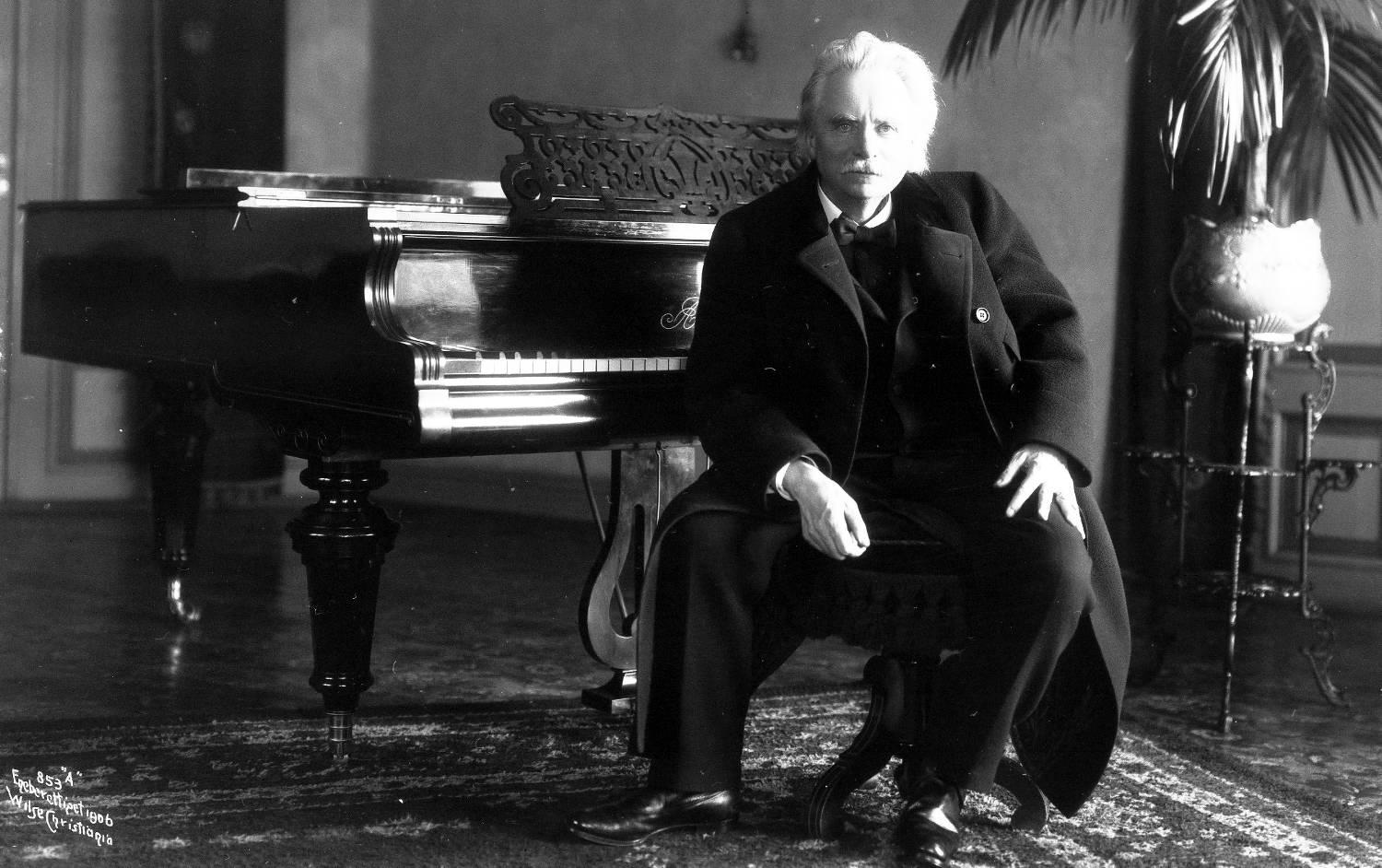 Edvard Grieg. Photo: visitBergen.com
Notturno, Op. 54, No. 4, is one of the pieces in Grieg’s Lyric Pieces, a collection of short piano works written throughout his career.
The title Notturno is Italian for “nocturne,” or “night piece.” The music evokes the quiet, reflective atmosphere often associated with nighttime. Its gentle melody and changing harmonies create a mood that can feel like a memory quietly returning.
When the Past Returns
The piece begins with a gentle, introspective melody tinged with nostalgia. As it unfolds, the melody returns in a lighter form, transformed by shimmering trills and warmer harmonies. The theme is not forgotten but changed, bringing a sense of peace rather than sorrow.
There is something meaningful in that change. Old mistakes, griefs, or even forgotten blessings may return to us, but they do not always have to carry the same weight. With time and through God’s grace, we may begin to see the past differently—not erased, but understood in a new light.
Time takes things away, but the people, lessons, and experiences that shape us remain part of who we are. Like Grieg’s Notturno, the past can return in a new form, reminding us that its meaning can stay with us as we move forward.
New Every Morning
“His mercies never come to an end; they are new every morning.” — Lamentations 3:22–23
The past matters, but it does not have to define every new day. We carry memories, experiences, successes, failures, and losses with us, yet each day gives us an opportunity to receive what is new. With time, we may begin to see old experiences differently and find new meaning in what we once could not understand.
Music can remind us of this. A familiar melody may bring the past back for a moment, but we hear it from where we are now. The past can remain part of our story without keeping us from moving forward. As time unfolds, we can trust that God’s mercy will meet us in the present, just as it has in every season before.
Explore Grieg’s Complete Lyric Pieces collection here. (affiliate link)
Read previous: Claude Debussy's Clair de lune: The Space Between the Notes