Mendelssohn’s Italian Symphony: The Art of Teamwork
Picture a basketball team in the final seconds of a close game. The star player draws two defenders and passes to a teammate in the corner. The shot goes in, but the basket is the result of a team effort, not just one player’s skill.

An orchestra works in a similar way. Each musician has a part to play, but the music comes together only when the players listen to one another and respond as a group.
Felix Mendelssohn (1809–1847) composed Symphony No. 4 in A Major, Op. 90, known as the Italian Symphony, in 1833. Its lively character offers a vivid example of how individual contributions can combine to create something greater.
Mendelssohn’s Italian Inspiration
Mendelssohn began sketching the symphony after traveling through Italy in 1830–31. The country’s landscapes, art, and lively atmosphere left a strong impression on him, inspiring music full of energy and movement.
The first movement opens with a bright, buoyant melody. The strings drive the music forward, while the woodwinds add color and respond with their own musical ideas. As the melody passes between sections, each group contributes something different, yet the parts fit together naturally to create a lively, unified sound.
Individual Skill, Shared Purpose
Team sports require more than individual talent. A player may be fast, skilled, or confident with the ball, but those abilities matter most when they help the team. Sometimes that means taking the lead; other times, it means passing to a teammate or making room for someone else to contribute.
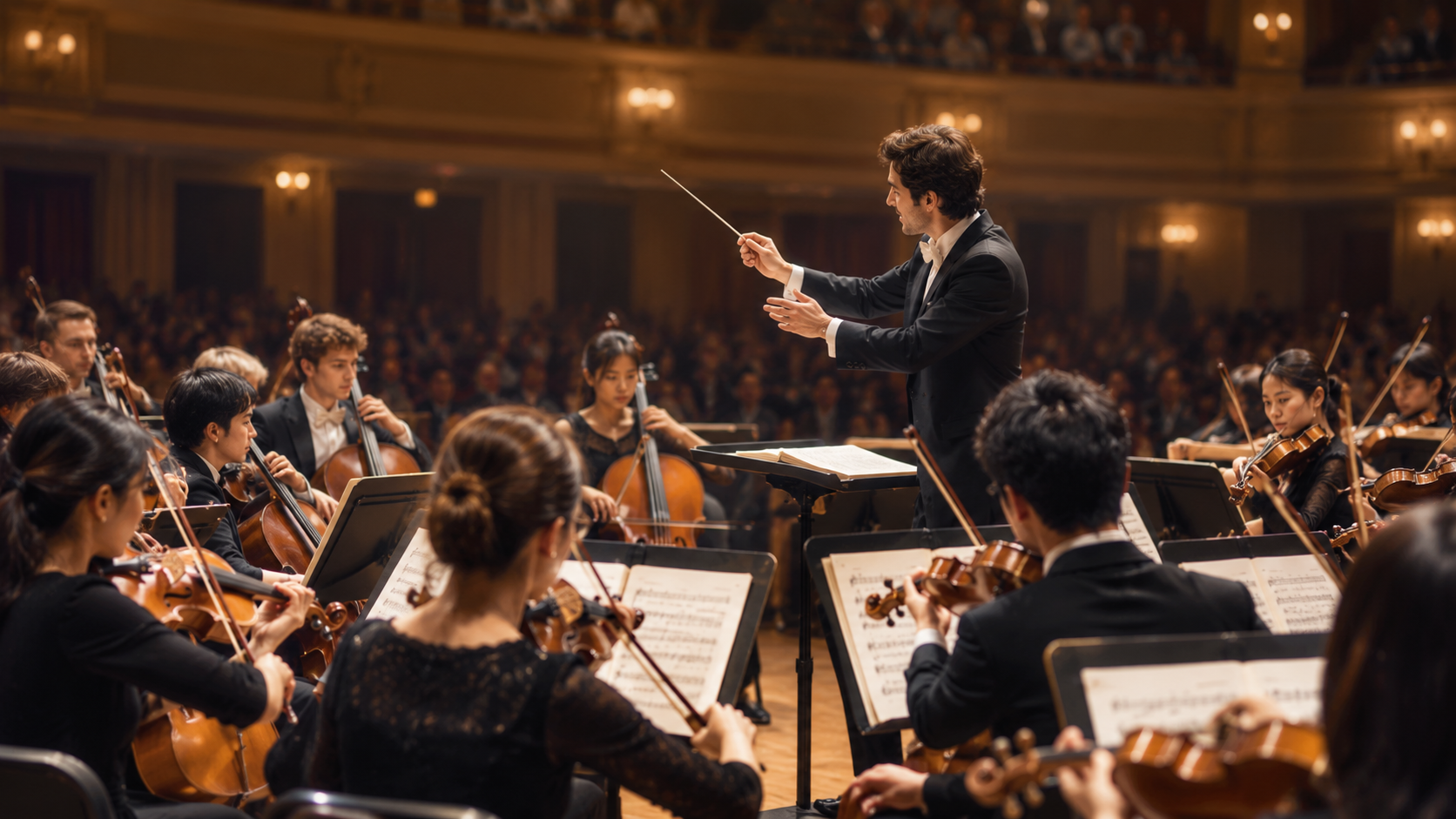
Orchestra musicians face a similar challenge. Some carry the melody, while others provide rhythm or harmony. Each role matters, and musicians must listen beyond their own parts, adjusting their timing, volume, and phrasing to stay connected with the ensemble.
The Art of Working Together
“Do nothing out of selfish ambition or vain conceit. Rather, in humility value others above yourselves.” — Philippians 2:3
Paul’s words encourage us to look beyond our own achievements and recognize the value of others. True cooperation does not require us to set aside our abilities, but to use them with humility and respect for those around us.
Mendelssohn’s Italian Symphony shows how different voices can retain their character while contributing to a shared purpose. When people respect one another’s roles and remain attentive to the group, their differences can become a source of strength.
Whether on the court, on stage, or in everyday life, teamwork is not about everyone doing the same thing. It is about each person contributing well, recognizing what others bring, and working together toward something none could create alone.
Read previous: Chopin’s Scherzo No. 2 in B-flat Minor: Performing Under Pressure