People Care More About Their Comfort Than Your Change
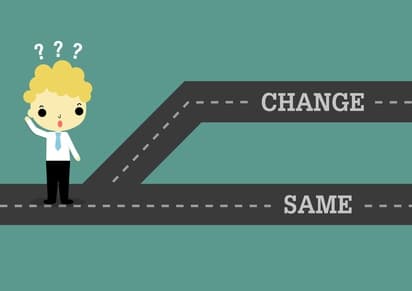
People usually care more about their comfort than your change.
That’s human nature.
As a leader, you may see a better future for the organization. You’ve identified problems, considered solutions, and developed a plan to move things forward.
You’re excited about the possibilities.
But the people you’re leading may not share your enthusiasm.
They’re often more concerned about what the change means for them.
- Will I lose something I enjoy?
- What if the new way isn’t as good as the old way?
- Will I have to learn something new?
- Will my role or influence change?
- Why can’t we just keep doing what we’re doing?
And here’s something I’ve learned after years of leading change.
People don’t always resist the change itself. Sometimes they’re resisting the discomfort the change creates.
Every change evokes an emotion. Even good changes can bring a sense of loss.
Something familiar is going away. A routine is being interrupted. An expectation is being challenged. And what seems like an obvious improvement to the leader may feel like an unnecessary disruption to someone else.
That’s why understanding the emotional side of change is crucial to leading it effectively.
You can’t simply communicate the vision and expect everyone to immediately embrace it.
You have to give people time to process what you’re proposing.
Listen to their concerns. Explain the why. Acknowledge what they’re losing. Help them see what could be gained.
And remember, you’ve probably had much longer to get comfortable with the change than they have.
But there’s another reality.
You can’t allow everyone’s desire for comfort to determine the future of the organization.
If you do, you’ll seldom change anything.
Leadership requires moving people toward something better, even when the journey is uncomfortable.
The goal isn’t to eliminate every negative emotion. That’s impossible.
The goal is to understand those emotions well enough to lead people through them.
I’ve made the mistake of moving too quickly and expecting people to catch up. I’ve also made the mistake of moving too slowly because I didn’t want to make people uncomfortable.
Neither serves the organization well.
Effective change leadership requires caring about people without becoming controlled by their discomfort.
Be patient with people. Be persistent with the mission.
And learn to recognize the difference between someone who needs more time to process change and someone who simply doesn’t want anything to change.
That distinction can make all the difference in your leadership.