Ravel’s Boléro: When Music and Movement Become One
Some sports are measured with a stopwatch or tape measure.
Others are judged not only on technical skill but also on artistic expression. In figure skating and rhythmic gymnastics, technique becomes truly memorable when movement flows naturally with the music.
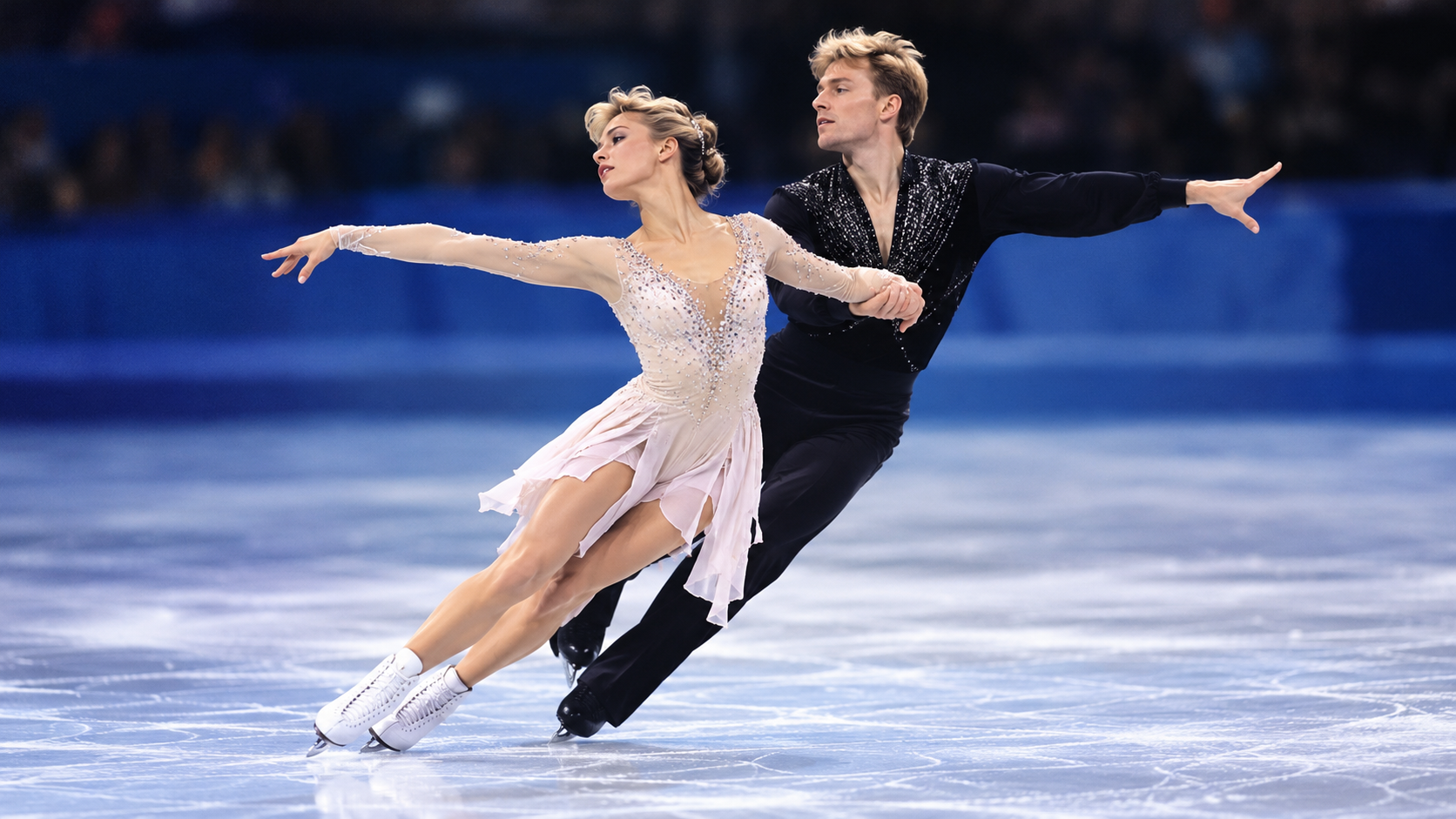
A turn, a leap, or a change in direction can do more than demonstrate athletic ability. It can express the rhythm, mood, and emotion of the music, allowing us to see and feel what we hear.
One unforgettable example came at the 1984 Winter Olympics in Sarajevo. British ice dancers Jayne Torvill and Christopher Dean performed their free dance to Maurice Ravel’s Boléro. Their performance showed how music, movement, and artistic expression can come together.
When Movement Follows the Music
Ravel’s Boléro begins with a steady rhythm that continues throughout the piece. Melodies pass from one instrument to another, while the orchestra grows louder and fuller. The music builds slowly toward a powerful climax.
Read more about Ravel’s Boléro here.
Torvill and Dean shaped their choreography around the music’s gradual build. Their movements begin quietly and grow more expansive, following the rhythm and rising intensity of the music.
Beyond Technical Skill
In figure skating and rhythmic gymnastics, precision is essential. Athletes need balance, strength, and control to perform difficult movements, but technical skill alone does not make a performance memorable.
Artistic expression brings movement to life. A skater can make a movement feel gentle, dramatic, or powerful, while rhythmic gymnasts coordinate their movements and apparatus with the music. When technique and artistry come together, the audience can experience the music through movement.
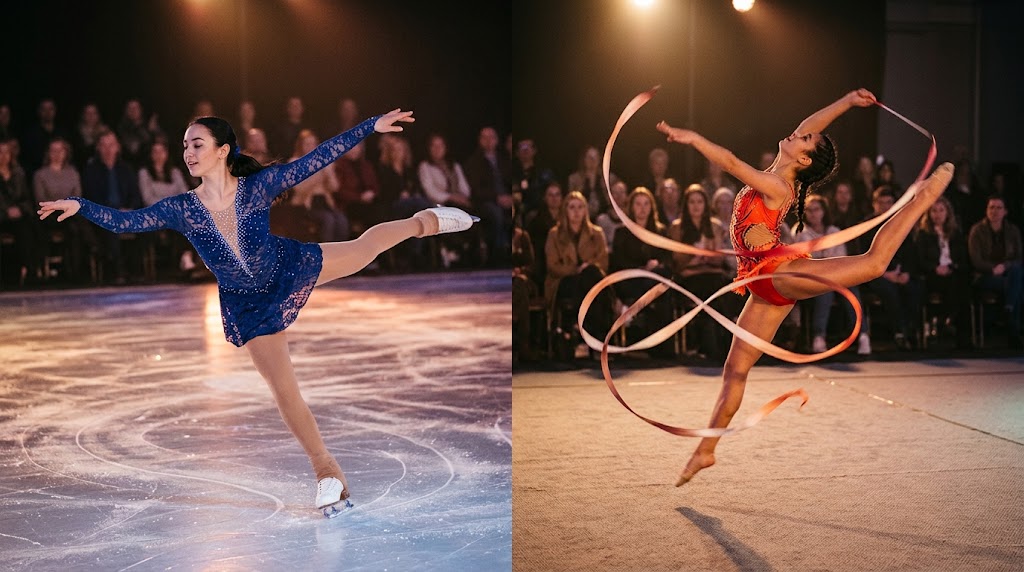
When Music and Movement Become One
Torvill and Dean’s Boléro remains a striking example of artistic expression in sport. Their routine follows the music’s steady pulse and gradual build, allowing the choreography to grow naturally toward its dramatic ending.
“Praise him with the tambourine and dancing; praise him with the strings and flute.” — Psalm 150:4
This verse celebrates music and movement as expressions of praise. In a different context, Torvill and Dean’s performance shows how movement can do more than accompany music; it can communicate its rhythm, mood, and emotion.
Whether through dance, sports, or music, artistic expression gives us ways to communicate what words alone cannot always convey.
Read previous: John Williams’s Olympic Fanfare and Theme: The Sound of the Games